“Everyone Else Has It Figured Out”: Imposter Syndrome in Adulthood
You know the feeling. It shows up on a Sunday night, out of nowhere. You’re in bed, scrolling through Instagram. You see another engagement, another housewarming, another baby announcement. By the fourth or fifth post, you start to feel a tightness in your chest, a pang in your gut.
What is the feeling? Is it jealousy? Frustration? Shame? Or maybe some uncomfortable combination of all three?
You’re unsure, but what you do know is that you’re suddenly comparing yourself to them, and to where you thought you’d be by this point.
Then it hits you: you feel like an imposter adult among the real grown-ups. You don’t even bother asking yourself “am I happy?” because that doesn’t matter right now.
Instead, you’re more focused on solving the bigger question: “how did I get so behind?”
This isn’t a fair question, but it’s one that burdens so many people, and it comes with the experience of imposter syndrome.
What is Imposter Syndrome?
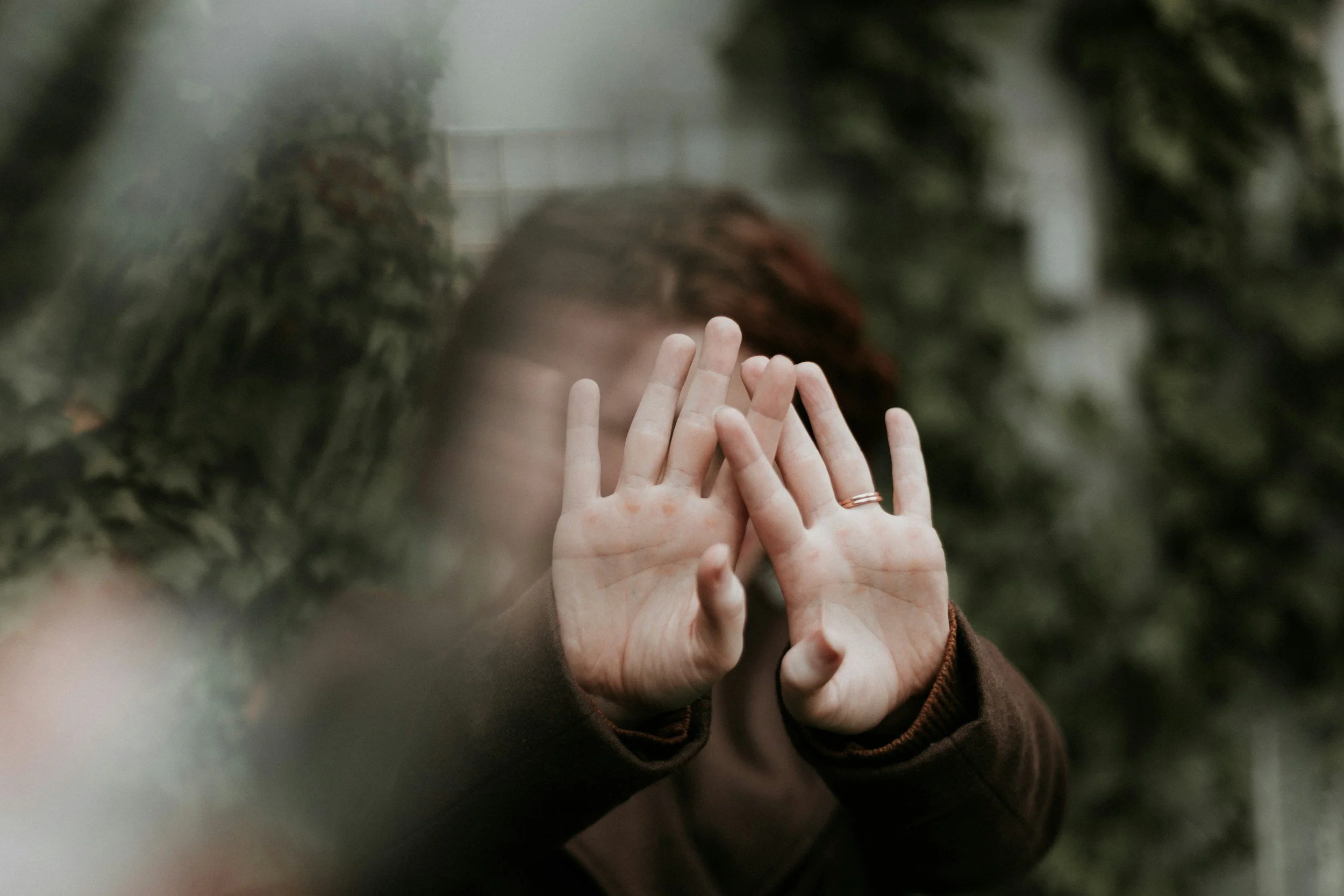
Imposter Syndrome is a persistent belief that you are a fraud, that you've somehow fooled your way into the situation you're in, and that it's only a matter of time before someone finds out.
It was originally studied by Pauline Rose Clance & Suzanne Imes, who observed that many high-achieving women felt internally unintelligent, despite clear evidence of their accomplishments. Eventually, research expanded beyond that original group, and we now know that imposter syndrome is experienced by 62% of people globally, across gender, profession, and background.
Most people know of this concept through its workplace version: the new job, the promotion, the presentations. It is a feeling of impending doom that comes with the belief that you don't actually belong there, and that it's only a matter of time before someone notices.
It's worth distinguishing this from regular self-doubt, which tends to be specific and situational, like "I'm not sure I can handle this project." Imposter syndrome runs deeper than that. It's less about a single task and more about a creeping, identity-level fear: "I don't know what I'm doing, and eventually someone is going to find out."
What fewer people talk about is the fact that Imposter Syndrome goes beyond the workplace, and has now expanded into our daily lives.
Lifestyle-related imposter syndrome follows the same internal logic, just applied to adulthood as a whole, rather than one specific job. This could be the feeling that everyone else is following the “right steps” on how to adult: how to choose a partner, build a home, know what they want, feel settled. In the meantime, you’re improvising your way through it all while hoping nobody notices.
Like the career version, it has nothing to do with how things are actually going; your life can look completely fine from the outside while this feeling runs underneath it.
Why It Shows Up The Way That It Does
For most of your life until now, there were clear markers for where you needed to be: rubrics, grades, promotions, performance reviews. You knew how to track progress. Then “real adulthood” arrives and the rubric disappears entirely. Nobody grades your relationship or gives you a performance review on whether you chose the right city to move to. For people who built their confidence inside structured systems, that ambiguity feels less like freedom, and more like floating aimlessly (and not in a peaceful way!)
The decade of being in your 30s can be where this hits hardest, because the social permission to be uncertain and exploring somehow expires after 29. There are certain milestones that are expected of you at 30, and everyone else seems to be hitting them, posting about them, except you.
This imposter syndrome can come at any stage when a major change has happened: illness, career pivot, divorce, loss. Anything that falls outside of the “expected” milestones of a “good life” can create an experience of being an imposter.
What Feeds This Feeling?
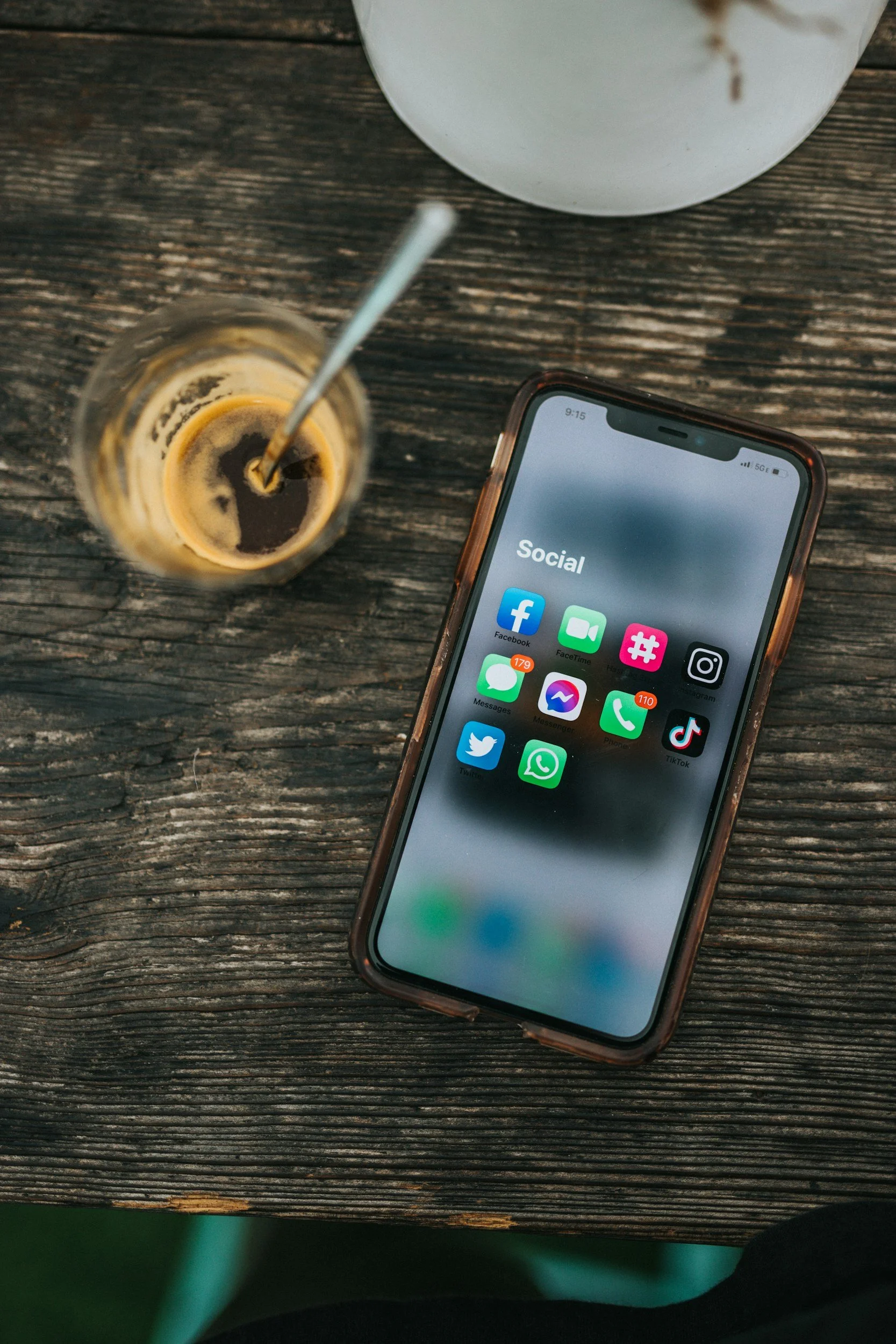
Perhaps unsurprisingly, social media has become our main reference point for what's happening in the lives of others. Even when we know better, we treat what we see as an accurate reflection of reality, and we hold our own messy, complicated lives up against someone else's carefully curated one.
This impacts us in a number of significant ways:
We are exposed only to a curated version of someone’s reality where struggles typically stay invisible.
You're comparing your full interior experience to everyone else's highlight reel. You see the engagement post, but not the years before it. You see the housewarming, but not the financial anxiety behind it.
Generally speaking, social media is not an authentic space in that people rarely post about their self-doubt, their setbacks, and their pains. When the loudest voices are not normalizing those aspects of life, it can start to feel like our own struggles start to feel like personal failures rather than a normal part of living.
Milestones and achievements become mistaken for resolution and contentment.
A wedding, a baby, a house: these are all life decisions that people have made, but they are not proof that they “solved” adulthood, or that they are now complete because of each one of these things. Almost everyone who achieves those milestones is still improvising their way forward - they just have different variables they’re working with now.
We forget that values, visions, and dreams can differ from person to person.
The successes of others are not always the successes that you would actually want. It is very easy to start feeling like “why do they have that and I don’t?” without actually asking yourself: “Would I really want that? Would that make me happy? If not…what would actually fulfill me?” The comparison stings most because you're assuming their win would feel like your win, when it might not.
Who Does Imposter Syndrome Impact Most?
This feeling tends to run deepest in high achievers, perfectionists, and people-pleasers, and it happens for a similar reason across all three. These are people who learned early to look outward for confirmation that they're on the right track: grades, praise, achievement, approval. When adulthood stops providing that external confirmation, the silence feels like failure. But it isn't. It's just that nobody prepares them for the fact that the feedback eventually stops coming when you reach adulthood, and that learning to trust your own internal compass is a skill that will carry you through this transition.
How To Reframe And Reflect Differently
The reality is that nobody has “figured out” life in the way the phrase implies, not because people aren't capable of it, but because it was never something to be figured out in the first place.
Most people you're comparing yourself to have either made peace with the uncertainty, gotten skilled at hiding it behind a well-timed milestone post, or are one hard conversation away from their own unraveling.
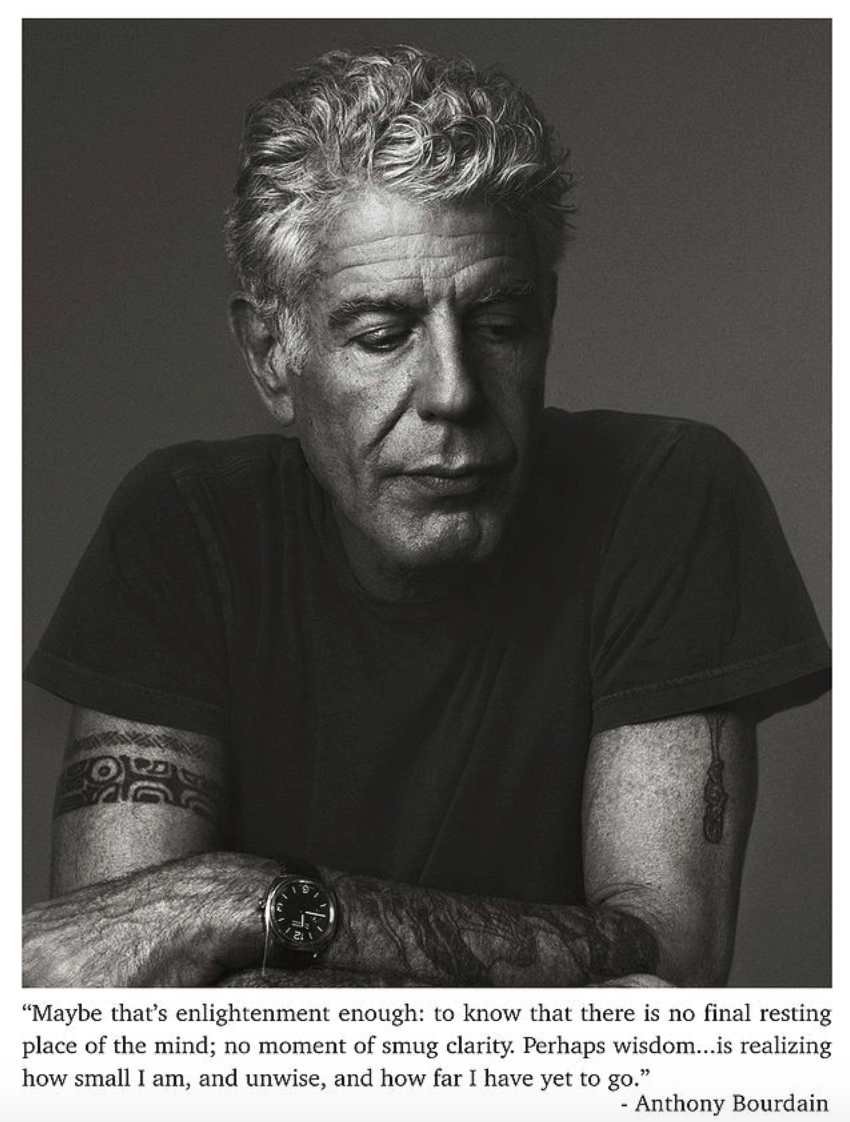
As Anthony Bourdain once said: "Maybe that's enlightenment enough: to know that there is no final resting place of the mind; no moment of smug clarity. Perhaps wisdom is realizing how small I am, and unwise, and how far I have yet to go."
Nobody arrives. They just get better at travelling.
So the next time you find yourself asking "how did I get so behind?", try expanding that question into something that invites curiosity instead of shame:
Whose life do I think is "figured out," and what do I actually know about their experience, vs what I’m projecting?
Where did I get the idea that adulthood is supposed to feel settled by now?
What would it look like to measure my life against values I've actually chosen, rather than milestones I inherited?
Final Thoughts
If you've been reading this and recognizing yourself in the comparison spirals, the feeling of being behind, the sense that everyone else got a manual you never received, you don’t have to navigate this alone.
Lifestyle imposter syndrome can run deep, especially for high achievers and people-pleasers who have spent years measuring their worth against external markers. Therapy is a space to untangle where those beliefs came from, and to start building an internal compass that actually belongs to you.
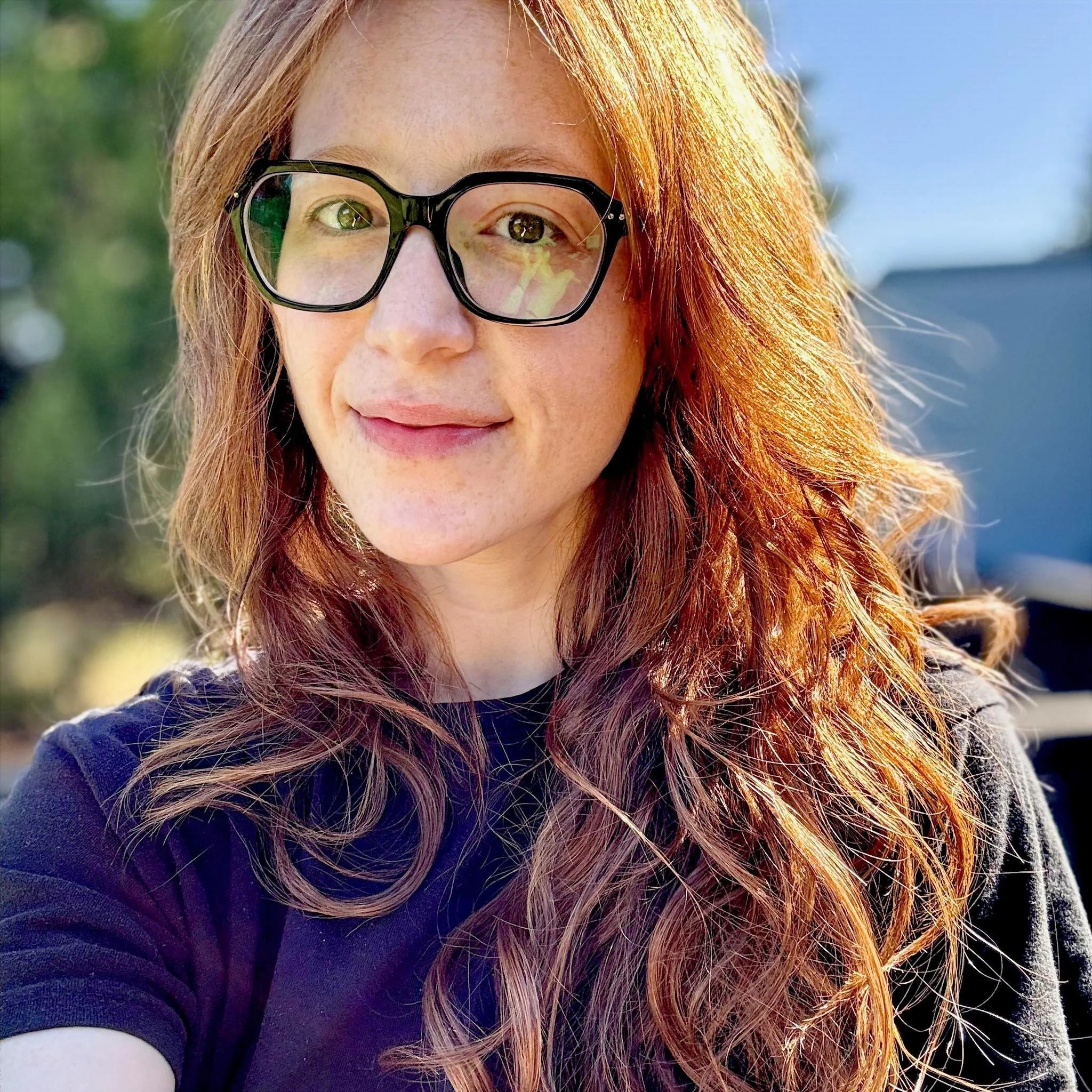
If this resonates, I'd love to support you. Book a session here and we can start that conversation.
Until next time, take care, and be kind to yourself.
With warmth,
Alessia Manzoli
Registered Psychotherapist