The clocks went back last weekend, and if the 4PM darkness has you feeling heavier, slower, or a little flat, you’re far from alone. As the days shorten, many of us notice our energy dip, and our moods tend to follow.
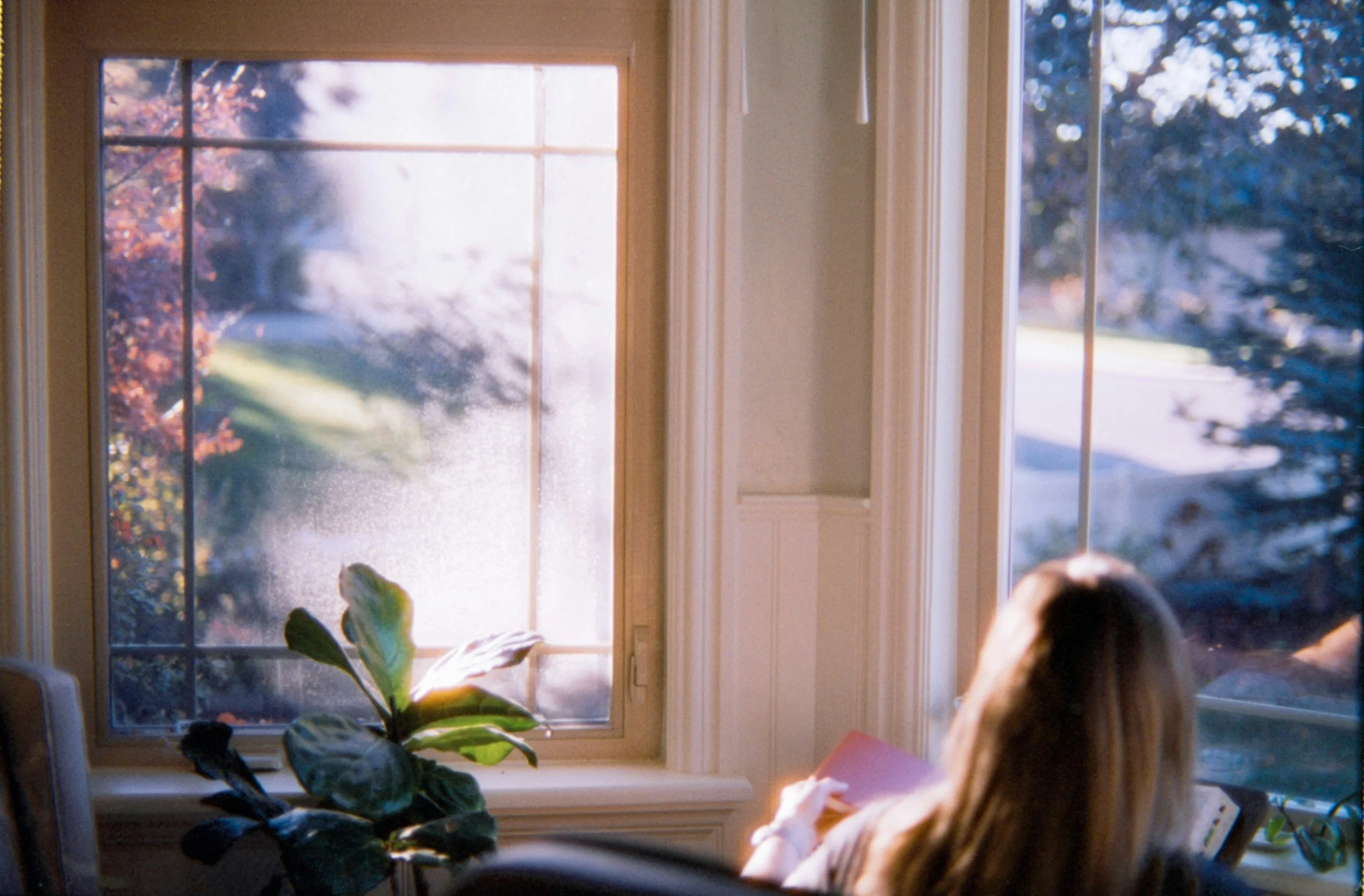
For most people, this is the winter blues: uncomfortable, but manageable. For some, it’s something more. The tricky part is that the two can feel similar at first, so it helps to know the difference, and to have a few gentle things to turn to either way.
In this post, we’ll look at how to tell the winter blues from seasonal affective disorder (SAD), and four kind, doable ways to look after yourself this season.
Understanding the difference between winter blues and Seasonal Affective Disorder
Many people experience the winter blues at some point in their lives. The winter blues can include:
Mild and low-grade symptoms
Low motivation
Troubles sleeping
Less energy than usual
Feeling down, or “blah”
Typically, these symptoms are present but do not disrupt your life. You may not feel your best, but you’re still able to take care of yourself, go to work and take care of housework or other duties.
Seasonal Affective Disorder (SAD) is a type of depression associated with seasonal changes, particularly reduced daylight during the fall and winter months. Changes in light exposure can affect our internal body clock and biological processes involved in regulating sleep, energy, and mood.
Some symptoms include:
Withdrawing socially
Having a low mood for most of the day
Losing interest in your typical activities
Hopelessness
Difficulty managing everyday responsibilities, including work, school, and self-care
Oversleeping
Change in appetite or weight
Difficulty focusing
SAD involves a recurring seasonal pattern, typically occurring during the same season over multiple years. If you're experiencing several of these symptoms, particularly if they're persistent or affecting your everyday life, it's worth reaching out to a healthcare professional.
Four strategies for moving through the winter blues with kindness
The following strategies are intended to help you navigate the winter blues. If you're experiencing symptoms that may resemble SAD, consider speaking with your doctor or therapist for further guidance and support. These strategies can still be helpful, but they should complement, rather than replace, professional care.

1. Stay connected.
The blues might make you want to withdraw and spend more time on your own. Though this is sometimes comforting, it can quickly cross a line into isolation, and as humans, we do best in social connection. So, it’s important to make plans that are small and low-pressure: a snack night, a walk with a friend, a scheduled call. Plan ahead since motivation will dip as you experience the blues.
2. Keep moving.
Physical activity and mental health are closely connected. Regular movement can support mood, reduce stress, and improve sleep and overall well-being. When you're already experiencing lower energy, it's okay to keep your activities modest: a nice walk, yoga, or social ice skating. The bonus here is that exercising outdoors can count double for getting more light.
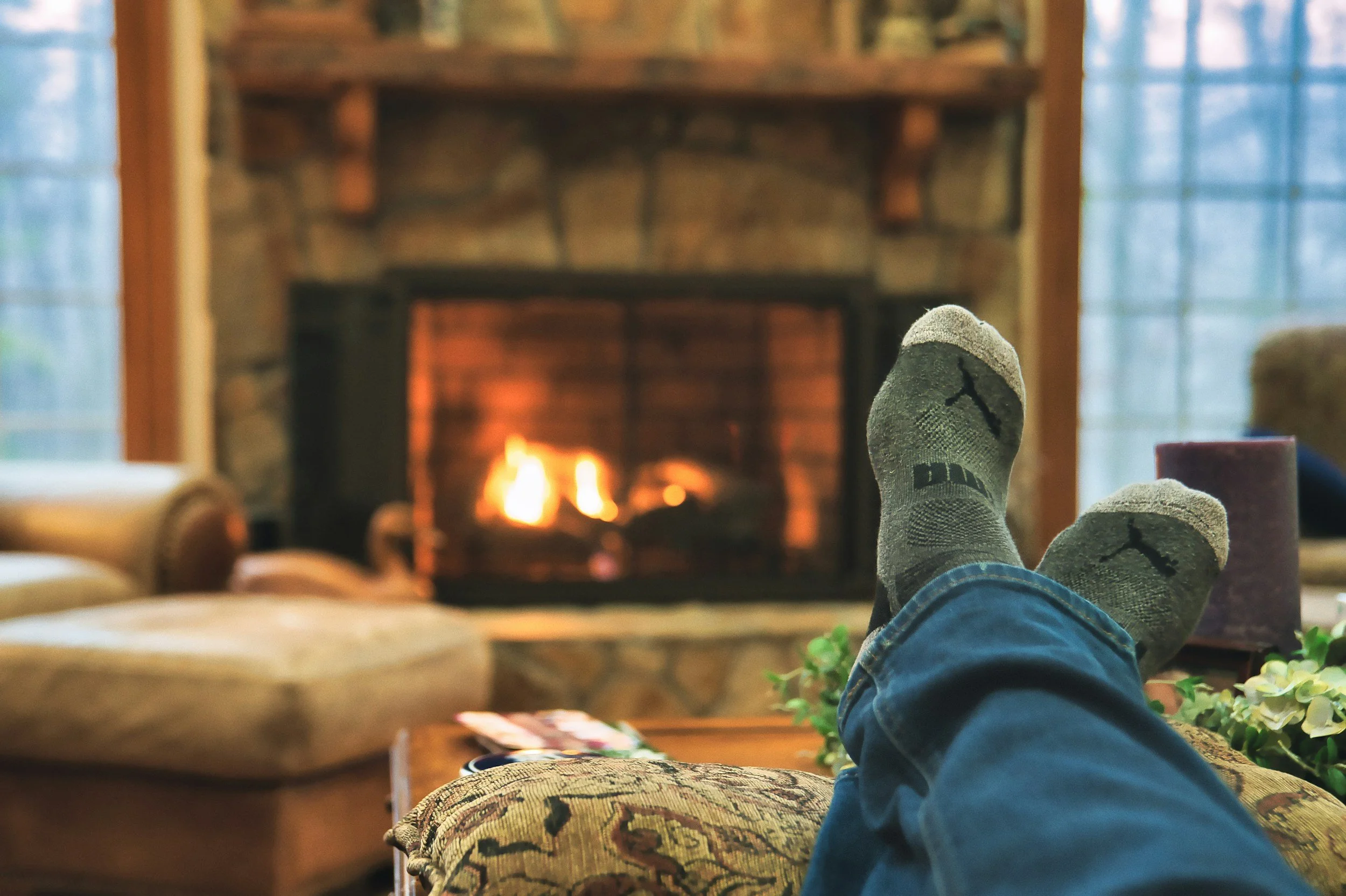
3. Make your home cozy.
Let your home become your sanctuary. When it's cold and dark outside, bringing warmth indoors can make a meaningful difference. Think warm lighting, a comfortable reading nook, greenery, and small evening rituals with the people you love.
This practice connects with the Danish concept of hygge, which centres on comfort, contentment, and togetherness. As Meik Wiking describes in The Little Book of Hygge: "Hygge is about an atmosphere and an experience, rather than about things."
4. Bring in the light.
The time change and reduced daylight hours play a large role in lower mood and energy levels. That’s why, even when it’s cold outside, it’s important to step outside in the morning or at midday, even when it’s overcast! Even on a cloudy day, overcast light can be significantly brighter than typical indoor lighting. In addition to this, it may be helpful to try a light therapy lamp. Using a 10,000 lux light for 30 minutes every morning has been shown to be effective; some people notice a difference within a few days, though it can take a couple of weeks. It is thought that these lamps work by impacting your body’s regulation of melatonin and serotonin, two important hormones which impact your sleep cycle and your mood respectively. Please note: If you're considering light therapy, it's a good idea to speak with your healthcare provider first, particularly if you have an eye condition, take medication that increases light sensitivity, or have a history of bipolar disorder.
Remember: Pace Yourself!
This isn't a to-do list that needs to be completed. You don't need to do all four things every day. Starting small is a wonderful way to build sustainable habits. Try choosing just one strategy and focusing on it for a week. When it begins to feel like a natural part of your routine, consider adding another.
When to seek professional support
Whether you are feeling the winter blues or think that you’re experiencing SAD, it is always a good idea to seek extra support. You do not need to wait until your symptoms become overwhelming or debilitating to seek support.
If your symptoms are persistent, becoming more severe, or beginning to interfere with your daily life, it's worth reaching out to a healthcare professional. Evidence-based treatment options for SAD include light therapy, psychotherapy, and medication. Depending on your individual needs, these approaches may be used on their own or in combination. A healthcare professional can help you explore what might be most supportive for you.
If you're recognizing yourself in any of these experiences, I'd be honoured to support you. You can learn more about how I work and book a free 15-minute consultation to explore whether we're a good fit.
As a Registered Psychotherapist, I cannot provide a diagnosis, but I can offer support as you navigate your experiences and explore ways to improve your well-being.
If you're experiencing a crisis, feel unsafe, or are concerned about your immediate safety, please call or text 9-8-8 (Canada's Suicide Crisis Helpline), call Kids Help Phone at 1-800-668-6868, or visit your nearest emergency department. If you are in immediate danger, call 9-1-1.

What’s one small thing you can do this week to honour how you feel?
With warmth,
Alessia Manzoli
Registered Psychotherapist